Curriculum
The faculty of the Reconciliation League has created an integrated, multivalent curriculum that fosters students’ ability to investigate, discuss, and reflect on unfamiliar ideas, while helping them develop the skills necessary to build bridges of genuine understanding across difference in service of society. Fellows earn up to 8 college credits by completing the program.
Component 01
Problems and Methods of Reconciliation is the anchor course for the League’s summer academic program; it is taken by all Reconciliation Fellows.
The anchor course asks students to consider the following questions: How are our views shaped in the first place? How do we build bridges across the chasms that so often divide us? How do we live and learn across difference, not in ways that simply tolerate one another, but in ways that appropriately celebrate the differences within and between us? What formations of thought and action do we need to develop so that difference becomes an opportunity rather than a threat, and how do we translate these formations into practices that we carry with us? And, finally, how do we mobilize the habits of mind and skills learned to work with others to advance society?
Through reading, writing, discussion, and debate, students will chart not only the development of their own thinking and awareness but will also sharpen their understanding of the nature of global interconnectedness, ecumenical dialogue, and reconciliation processes. By the end of their time together, students will have created an individual commonplace book of knowledge and reflections, and will have designed a proposal for a collaborative project that advances the aims of the Reconciliation League.
Component 02 · Summer 2027 Sessions
During the summer session, students also take a second, more traditional, discipline-based course and learn to integrate the insights from each course into a dynamic and evolving knowledge base.
These Honors Courses are taught by major thought leaders who are also known to be extraordinary mentor teachers. A seminar with any one of them is likely to create memorable moments that will be cherished over time.
Component 03
In addition to the anchor course and honors courses offered during each session, various of the Senior Fellows of the Reconciliation League will be in residence. They will be available throughout the program for informal conversations over meals or for mentoring sessions.
On two evenings during each week of the program, Senior Fellows will engage in casual chats with interested Fellows on a topic arising from the Senior Fellow’s experience.
Component 04
The Reconciliation League retreat programs are an integral component of the Fellowship curriculum, providing immersive experiences that bring the program’s central themes of self-reflection, cosmopolitan conversation, and engagement with the unfamiliar into practice. Stepping away from the routines, distractions, and digital habits of everyday life, the Fellows participate in shared challenges, guided reflection, and meaningful encounters that cultivate curiosity, humility, empathy, and trust.
Whether through engagement with nature, contemplative practice, collaborative problem-solving, or immersion in unfamiliar communities and traditions, each retreat encourages participants to question assumptions, build authentic relationships across difference, and experience reconciliation as an active process rather than an abstract idea.
Component 05
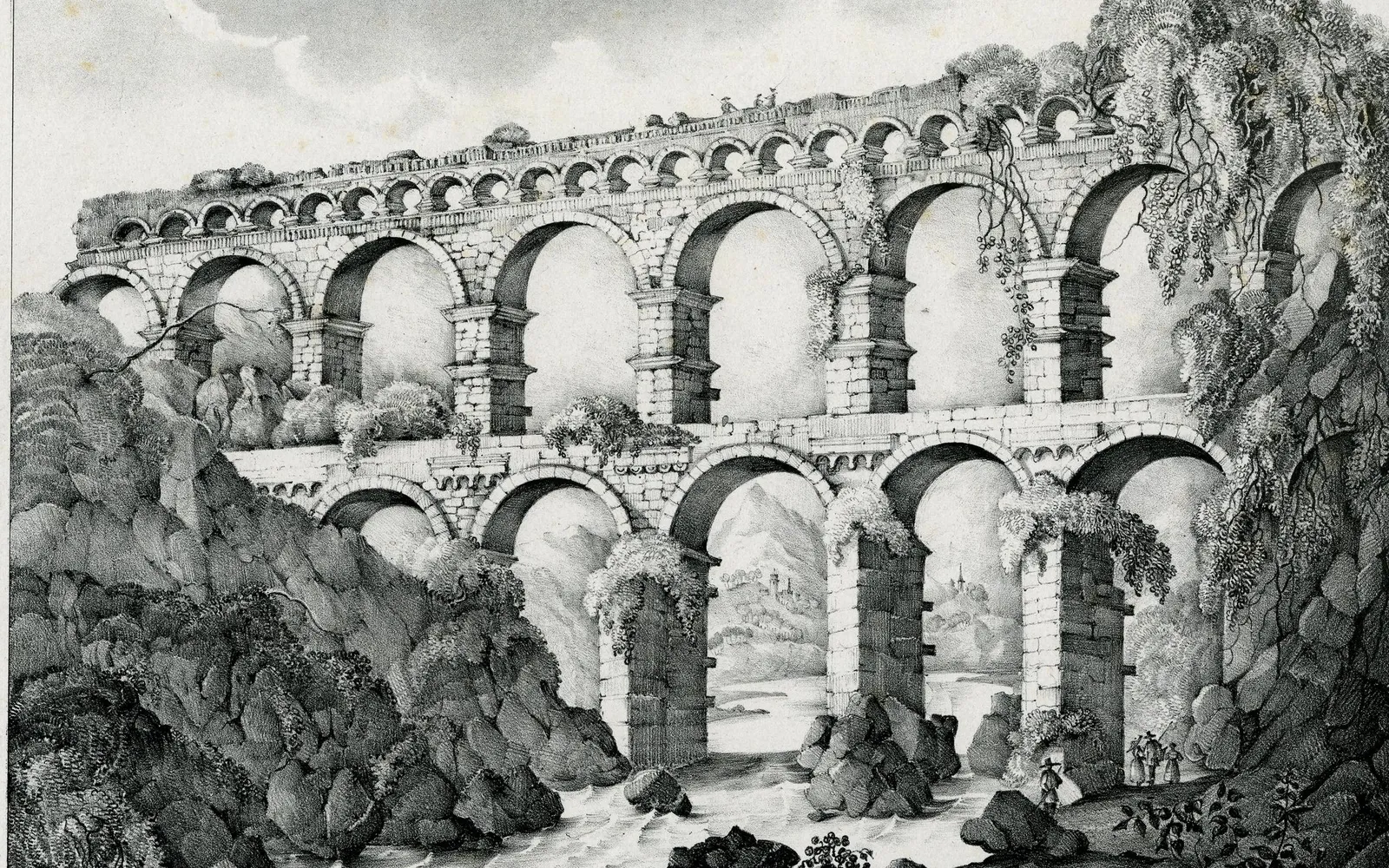
After they return from the retreat to campus, the Fellows conclude their summer experience by developing projects to be implemented in their respective communities during the Fall semester. The mentors from the summer program continue to work with them during this semester, with the efforts supplemented by the campus Reconciliation League liaison officer.
Component 06
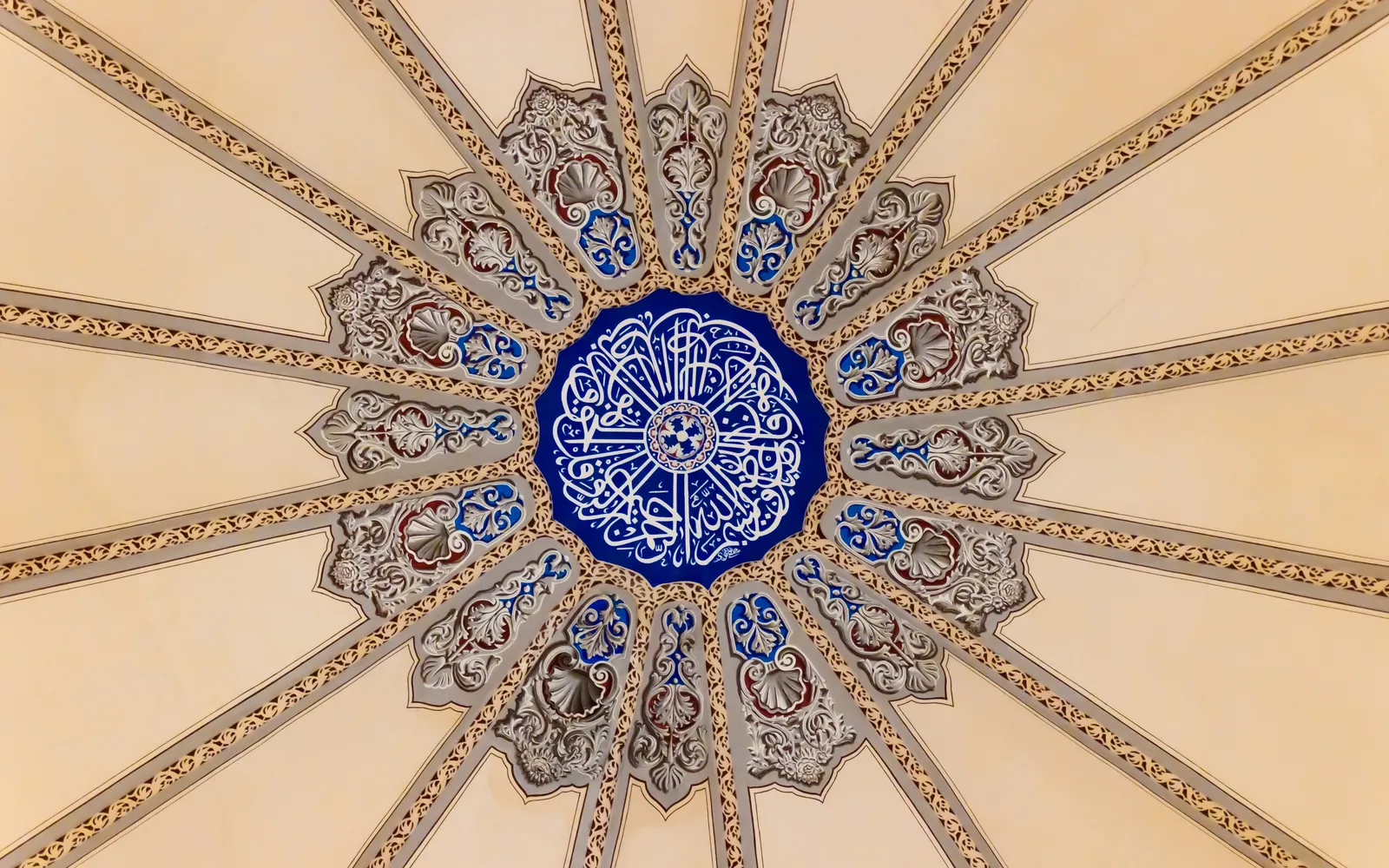
In the January following their Summer Fellowship Program, the cohorts come together for a winter “summit meeting,” at which they report on the projects they worked on in their communities during the Fall semester.
Once this intensive initial experience is concluded, Fellows may be welcomed into the Reconciliation Corps, a network of those committed to connecting over years to advance the agenda at the heart of the project.